
5 Symptoms That Signal a Lawn Disease Problem
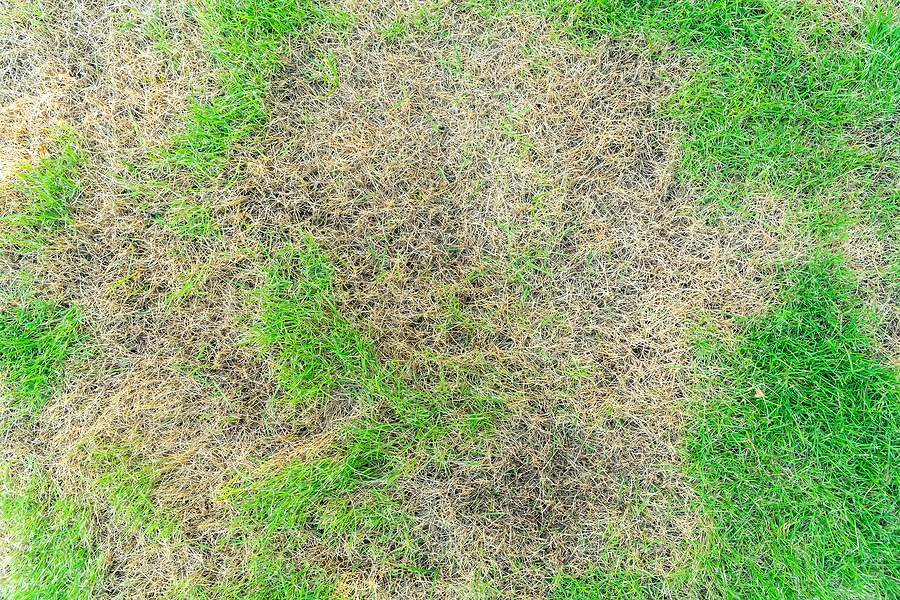
A lawn that suddenly looks patchy, discolored, or thin is not always thirsty. It could be dealing with a disease. Dempster Brothers Lawn Care & Landscaping helps homeowners recognize lawn disease early, before it spreads across the yard. Warm temperatures, humidity, and heavy moisture create ideal conditions for fungal problems to take hold. Catching the signs early makes treatment faster and far less costly. Here are five signs your lawn may be fighting a disease.
1. Circular or Irregular Patches of Discoloration
Lawn disease often shows up as rings or patches of yellow, tan, or brown grass scattered across the yard. These patches can appear suddenly and expand within just a few days. Unlike drought stress, the discoloration does not improve with extra watering. Patterns that spread outward in circles are a strong indicator of fungal activity.
2. A Slimy or Powdery Coating on the Grass
Some lawn diseases leave a visible residue on the blades, especially early in the morning. This can look like a thin powder, a slimy film, or a cobweb-like coating across the grass. The coating is often most noticeable when dew is still present. Wiping a blade with your hand is an easy way to check for this symptom.
3. Spots or Lesions on Individual Blades
Close inspection sometimes reveals small spots, streaks, or lesions directly on the grass blades themselves. These marks may be brown, purple, or reddish, depending on the disease involved. Blades with lesions often become brittle and break apart more easily than healthy grass. This kind of damage tends to spread from blade to blade quickly.
4. Thinning Grass in Shady or Poorly Drained Spots
Diseases often take hold first in areas that stay wet or receive limited sunlight throughout the day. Grass in these spots may thin out, mat down, or develop a dull, grayish color. Poor airflow and excess moisture allow fungal spores to multiply undisturbed. Improving drainage and sunlight exposure can help prevent repeat outbreaks.
5. Patches That Return After Treatment or Rain
Reappearing damage in the same general area, even after mowing changes or reseeding, often points to an underlying disease. Fungal spores can linger in soil and thatch, allowing the problem to resurface under the right conditions. Professional lawn disease treatment targets these spores directly instead of just addressing surface symptoms. Long-term prevention usually requires more than a single treatment.
Dempster Brothers helps homeowners across Knoxville, TN, identify and treat lawn disease before it takes over the yard. The team also offers lawn mowing and lawn aeration to keep the grass strong and disease-resistant. Contact Dempster Brothers at (865) 264-8925 to get a free quote today.